

Vietnamese noodle dishes, centered around rice noodles, vary in style and flavor by region, bringing rich variety to the dining table. In the north, the soup is light, while in the south, sweet seasoning and abundant ingredients are characteristic, giving each dish its own personality. This article introduces Pho, Hu Tieu, Bun, and Mi from a local perspective.
Phở – Vietnam’s national dish
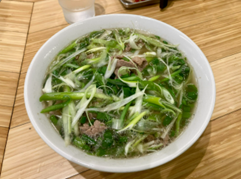
When talking about Vietnamese noodles, phở is always the first to come to mind. It’s a dish loved from North to South, enjoyed at any time of day. Flat rice noodles are paired with a broth simmered for hours from beef or chicken bones, then brightened with herbs, lime, and chili.
In Ho Chi Minh City, grabbing a bowl of phở for breakfast is almost a ritual. A typical bowl costs 30,000–80,000 VND, depending on whether you stop at a street stall or a neater restaurant. Premium-style phở shops are also becoming popular, with bowls priced above 100,000 VND attracting both locals and tourists. More than just food, phở is a reflection of Vietnamese culture and everyday life.
Hu tieu – A beloved signature of the Southern region
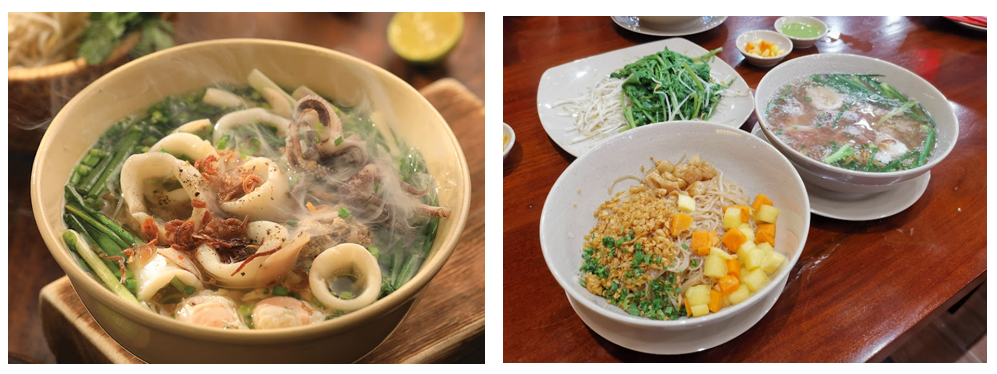
Hủ tiếu is the pride of Southern Vietnam and a staple in Ho Chi Minh City. Its thin, translucent noodles have a light chew, and the broth — made from pork bones and dried seafood — carries a distinctive Southern sweetness.
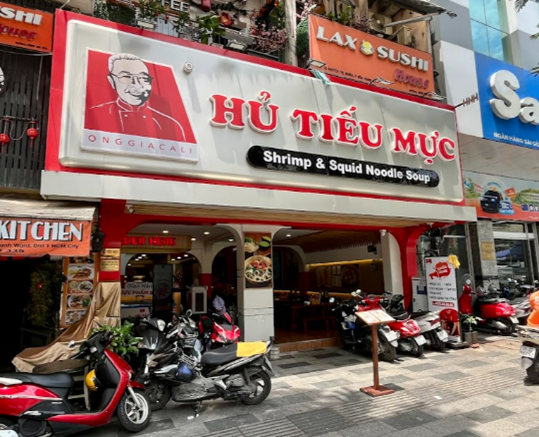
You can enjoy hủ tiếu either with broth or dry, topped with pork, shrimp, squid, or a mix of all three. Prices usually range from 20,000–40,000 VND. Near the Kanematsu Vietnam office, the writer often visits Hủ Tiếu Mực, a well-known spot frequented at least once a week because of its addictive flavor.
Bun – Diverse and vibrant across all regions
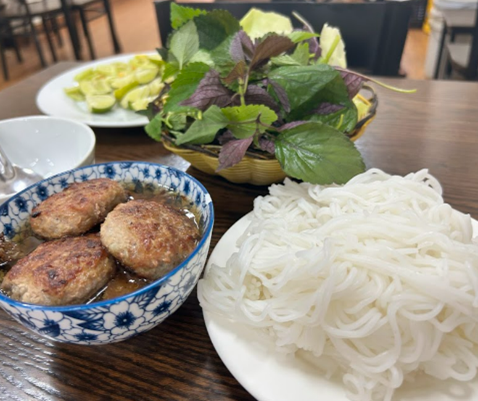
Bún uses thin, round rice noodles and offers a lighter eating experience compared to phở. Its variations are countless. The most famous is bún chả, a Hanoi specialty featuring grilled pork served with sweet and tangy dipping sauce and plenty of herbs. Although it originates from the North, bún chả is also very popular in Ho Chi Minh City, especially as a lunch option.
A bowl of bún at a street stall typically starts around 30,000 VND. Modern twists like cold bún dishes or bún salads are gaining popularity among health-conscious diners. In 2016, bún chả became internationally known after U.S. President Barack Obama visited the famous Hương Liên restaurant in Hanoi.
Mi – A touch of Chinese culinary influence in Vietnamese cuisine
Mì, made from wheat flour, reflects the deep influence of Chinese cuisine in Vietnam. The chewy, springy noodles are served everywhere — from street carts to specialty restaurants.
The most common dishes include:
Mì xào (stir-fried noodles): cooked over high heat for a smoky aroma, often tossed with pork, seafood, and crisp vegetables.
Mì nước (noodle soup): paired with chicken or pork-based broth, offering a hearty and satisfying meal.
Prices usually fall between 50,000–80,000 VND. Recently, high-end noodle shops and creative modern versions of mì have appeared, appealing to both locals and foreigners. Whole-grain or low-carb noodle options are becoming more common as healthier eating habits gain momentum.
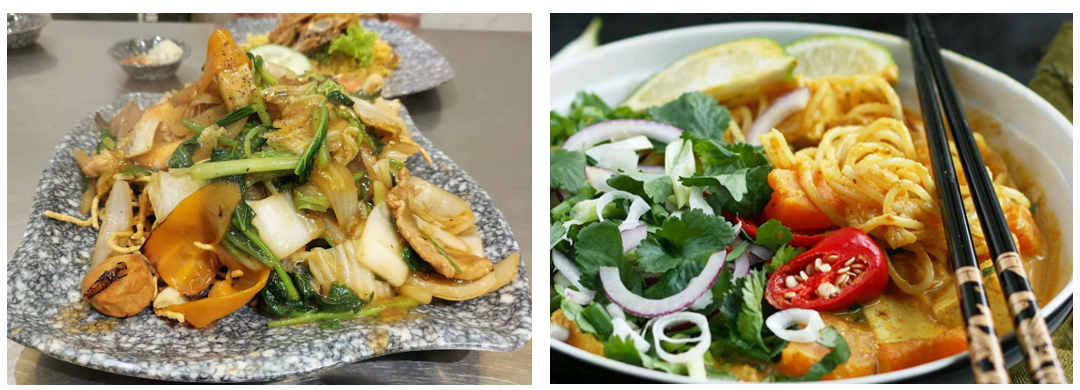
From early mornings to late-night suppers, noodles are woven into the rhythm of Vietnamese life. They appear everywhere — street stalls, casual eateries, modern cafés, and family kitchens. As health-focused and premium dining trends rise, Vietnamese noodle dishes continue to evolve while maintaining their traditional roots.
When you visit Vietnam, make sure to try these authentic noodle dishes — each bowl is a flavorful snapshot of Vietnamese culture.
